
The National Planning Policy Framework (NPPF) has been updated, bringing a number of changes of particular interest to farmers, rural businesses and landowners.
The changes form part of wider planning reforms, with a new approach to local plan-making also coming into force in 2026. For those operating in rural areas, the updated NPPF continues to
recognise the importance of supporting rural businesses, agriculture and the long-term sustainability of rural communities.
Support for Rural Businesses and Farm Diversification
The NPPF continues to support the sustainable growth of rural businesses, including the conversion of existing buildings, well-designed new buildings, and the development and diversification of agricultural and other land-based businesses.
This is particularly relevant to farms looking to diversify their income. Opportunities can include rural tourism and leisure, farm shops and other enterprises that help maintain the viability of a rural holding.
The framework also recognises that rural businesses may need to operate outside settlements and in locations that are not well served by public transport. Where this is the case, proposals should make use of previously developed land or sites well related to existing development where opportunities exist, while ensuring the location and design are appropriate to their surroundings.
On-Farm Development
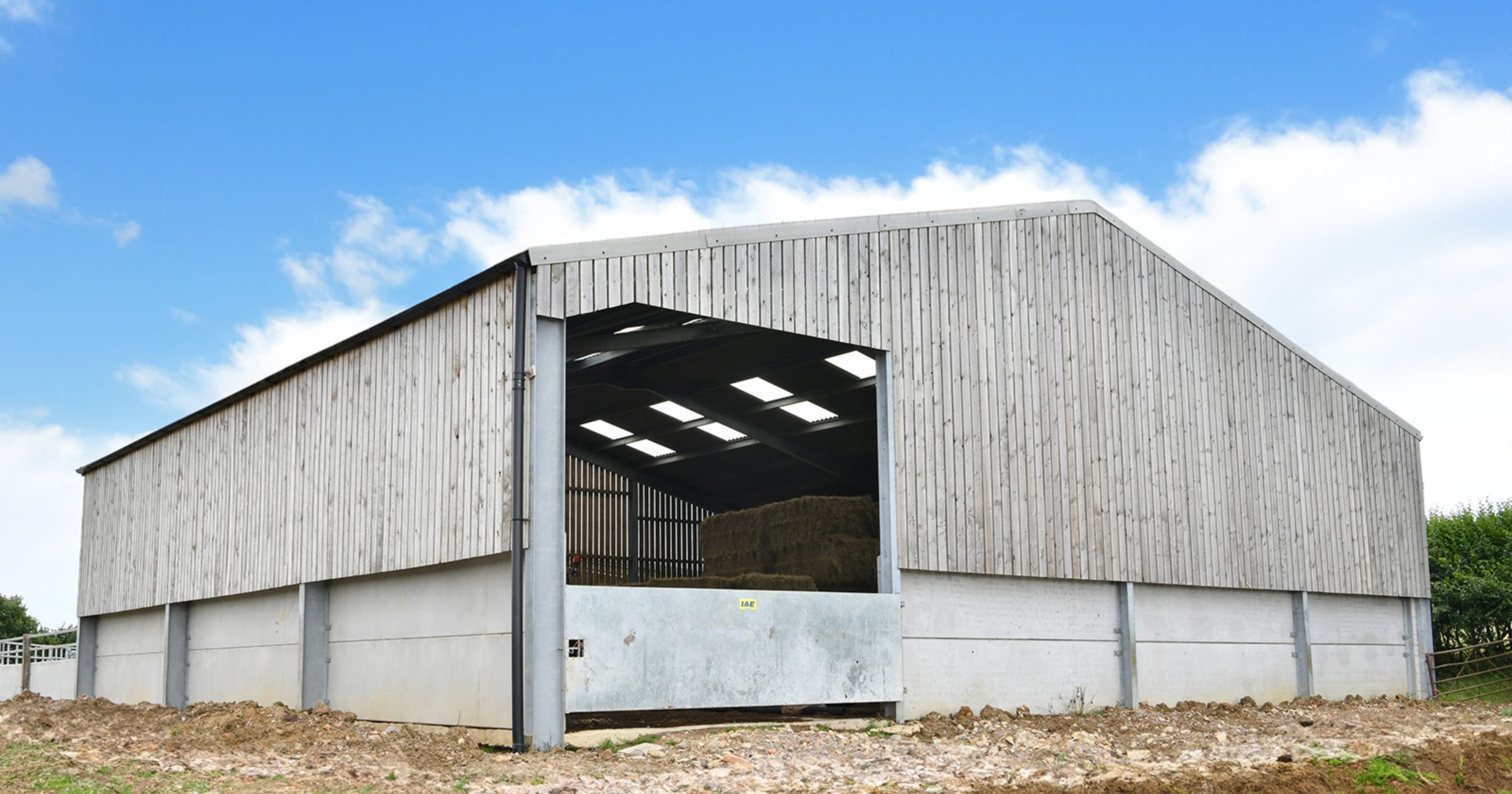
The policy framework supports development that can maintain and improve the viability and sustainability of farms, recognising that modern agricultural businesses may need to invest in infrastructure on their land to remain viable and support domestic food production.
Examples of supported development may include:
- Improved livestock accommodation
- On-farm reservoirs
- Greenhouses and polytunnels
- Farm shops
- Temporary accommodation for seasonal agricultural workers
What About a New Farmhouse or Rural Worker’s Dwelling?
The position on isolated homes in the countryside remains particularly relevant to agricultural businesses.
The framework continues to recognise an essential need for a rural worker to live permanently at or near their place of work, including someone taking majority control of a farm business.
This can provide a potential route to planning permission where there is tangible evidence to demonstrates the functional need exists.
For farmers considering a new dwelling, the planning case needs to focus on the specific circumstances and needs of the business, rather than simply the desire to live on the holding.
Why Does This Matter for Landowners?
The updated NPPF reinforces an important message: planning policy is not simply about restricting development in the countryside. It also seeks to support sustainable rural economies and viable agricultural businesses.
Landowners should therefore consider the planning potential of their land and buildings as part of wider estate and business planning.
A redundant agricultural building may offer opportunities for alternative use. A farm may need new infrastructure to support expansion or diversification, while a rural business may require additional premises or accommodation.
At the same time, proposals must be carefully considered against policies protecting agricultural land, landscape and the character of the countryside.
What Should Rural Landowners Do Now?
The changes provide a useful opportunity to review existing plans and longer-term ambitions.
Consider:
- Is the farm infrastructure still fit for purpose? If additional livestock housing, reservoirs, polytunnels, greenhouses or other infrastructure are needed, early planning advice can help establish what may be achievable.
- Could the farm benefit from diversification? Farm shops, tourism, leisure and other rural enterprises may provide additional income streams, subject to planning considerations.
- Are there underused or redundant buildings? Existing buildings may offer opportunities for alternative uses or redevelopment, depending on their condition, location and planning history.
- Is there a genuine need for a rural worker’s dwelling? Where a business has changed or expanded, it may be worth reviewing whether existing residential arrangements continue to meet its operational needs.
Taking a Strategic Approach
The latest NPPF changes underline the importance of taking a strategic approach to rural planning.
Planning should not only be considered when you are ready to make your next application. Understanding the planning potential and constraints affecting a farm or rural business can help inform decisions about investment, diversification, buildings, housing and succession.
If you would like to discuss the planning potential of your farm or rural property, please contact our experienced team on 01829 773000.